How to Find Affordable Honey Oil Without Sacrificing Quality
If you have spent any time around cannabis concentrates, you know that honey oil sits in a sweet spot between flavor and effect. It is not quite the translucent dab that costs a premium per gram, but it is far more refined than the dark, crumbly extracts of a few years ago. The challenge has always been finding a product that delivers the clean experience you want without the price tag that makes you wince. I have been on that hunt myself, and after testing dozens of batches from different sources, I can tell you that affordable honey oil does exist. You just need to know what to look for.
The first thing to understand is that honey oil is not a single, standardized product. It is a category of cannabis concentrates that usually sit somewhere between a full-extract oil and a more purified distillate. The color ranges from pale amber to deep gold, and the consistency can be anything from a thick syrup to a semi-solid paste. What all good honey oil shares is a rich terpene profile and a balanced cannabinoid content that preserves what we call the entourage effect. That is the synergy between delta-9 tetrahydrocannabinol, other minor cannabinoids, and the aromatic compounds that give each strain its personality.
When I first started looking for affordable honey oil, I made the mistake of focusing only on price. I bought a few grams from a local shop that seemed like a steal, but the dabs left a sticky residue on my dab rig and the flavor was flat. That taught me that cheap is not the same as affordable. Affordable means you get good value for your money. It means the extract is clean, the potency is reliable, and the price reflects a fair margin rather than a desperate discount. Since then, I have developed a few rules that help me separate the deals from the duds.
What Makes Honey Oil Different From Other Concentrates
Honey oil is produced through a variety of methods, but the best examples I have tried come from supercritical CO2 extraction. That process uses carbon dioxide under high pressure to pull cannabinoids and terpenes from the plant material without leaving behind solvent residues. The result is a concentrate that retains more of the original plant's complexity. You get the bright citrus notes of a strain like Durban Poison or the berry undertones of Blue Dream, all preserved in a format that dabs smoothly at a lower temperature than many other extracts.
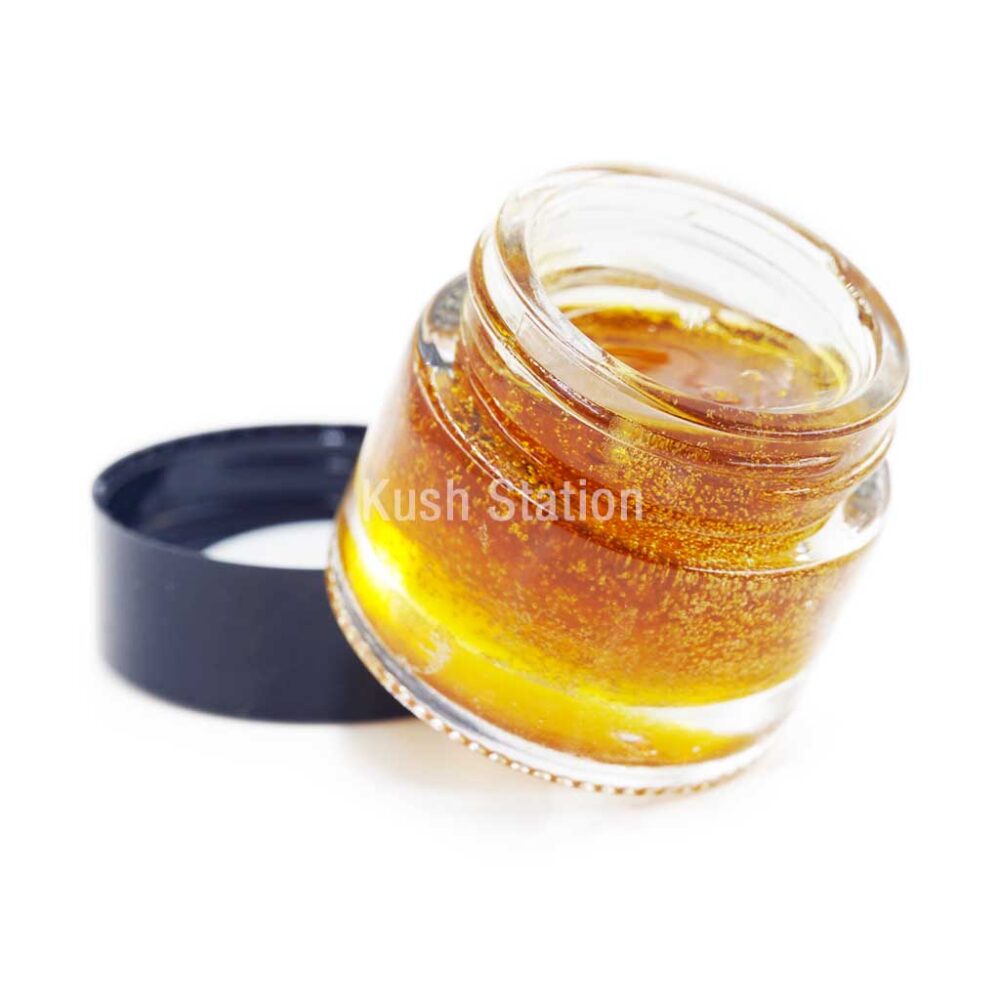
Another reason I gravitate toward honey oil is its consistency for everyday use. It is viscous enough to handle with a dab tool without dripping, yet soft enough to spread evenly on a coil or a nail. That makes it a versatile choice whether you prefer a vaporizer or a traditional dab rig. I have also found that honey oil tends to be less harsh on the throat than some other concentrates, which matters when you are medicating throughout the day rather than just chasing a big hit on the weekend.
Lab Testing and Batch Numbers Matter
One of the biggest shifts in the cannabis industry over the past few years has been the move toward transparency. Reputable producers now provide third-party lab testing for every batch they release. That means you can look up the potency analysis for the specific jar you are considering. You want to see the percentage of delta-9 tetrahydrocannabinol, of course, but also the levels of other cannabinoids and the terpene profile. A well-documented batch number gives you confidence that the affordable honey oil you are buying today will match the quality of the batch you bought last month.
I remember a time when I bought a strain called Honey Banjo from a small producer in Washington state. The label included a QR code that linked to a full lab report. That level of detail is not universal yet, but it is becoming more common among brands that take their craft seriously. When a producer invests in third-party lab testing, it signals that they are confident in their process. It also protects you from buying something that might have been cut with fillers or poorly extracted.
Strain-Specific Honey Oil and What It Offers
Not all honey oil is strain-specific, but the best examples are. When you see a jar labeled as Northern Lights honey oil, you should expect the earthy, piney notes that strain is known for, along with a sedative effect that suits evening use. A Blue Dream honey oil, by contrast, should deliver a more balanced high with a hint of blueberry on the exhale. Strain-specific concentrates allow you to dial in your experience based on what you need at that moment. That is the kind of nuance that makes affordable honey oil worth seeking out, because you are getting a tailored effect rather than a generic buzz.
I have also noticed that strain-specific honey oils tend to have a more pronounced entourage effect. That is the interaction between the major cannabinoids and the minor ones, along with the terpenes, that creates a fuller experience than isolated delta-9 tetrahydrocannabinol alone. When you vape a full-spectrum honey oil, you feel the plant, not just the molecule. That is the difference between a functional high and a rich, textured one.

How to Judge Price Without Getting Burned
Price per gram can vary wildly depending on where you live and who you buy from. In Washington state, where I have seen the market mature faster than in many other places, you can find decent honey oil for around twenty to thirty dollars per gram. Anything below that should raise a red flag unless you know the producer personally. On the flip side, paying over fifty dollars per gram does not guarantee a better product. The sweet spot for affordable honey oil is usually somewhere in the middle, and it often comes down to buying directly from a producer or from a retailer that has a relationship with the source.
One trick I use is to look for producers that have won recognition from publications like High Times or competitions like the Cannabis Cup. Those honors are not everything, but they do indicate that a brand has been vetted by people who taste and test concentrates for a living. If a producer with a Cannabis Cup win also offers a budget-friendly line, that is a strong signal that their affordable honey oil will still meet a high standard.
Practical Tips for Storing and Using Honey Oil
Once you find a good batch, proper storage will keep it fresh longer than you might expect. Honey oil is sensitive to heat and light, so keep it in a cool, dark place. I use a small silicone container that seals tightly, and I never leave it on a windowsill or near a heater. If you plan to use it over several months, consider buying in smaller jars so you are not opening the same container repeatedly and exposing it to air.
When it comes to use, a quartz banger on a dab rig is my preferred method, but a good vaporizer with a concentrate pad works just as well. The key is to start at a lower temperature and work your way up. Honey oil tends to vaporize cleanly around 350 to 400 degrees Fahrenheit. Going too hot will degrade the terpenes and give you a harsh hit that tastes more like burnt popcorn than the strain's natural profile. Take your time and enjoy the flavor progression as it changes from the first draw to the last.
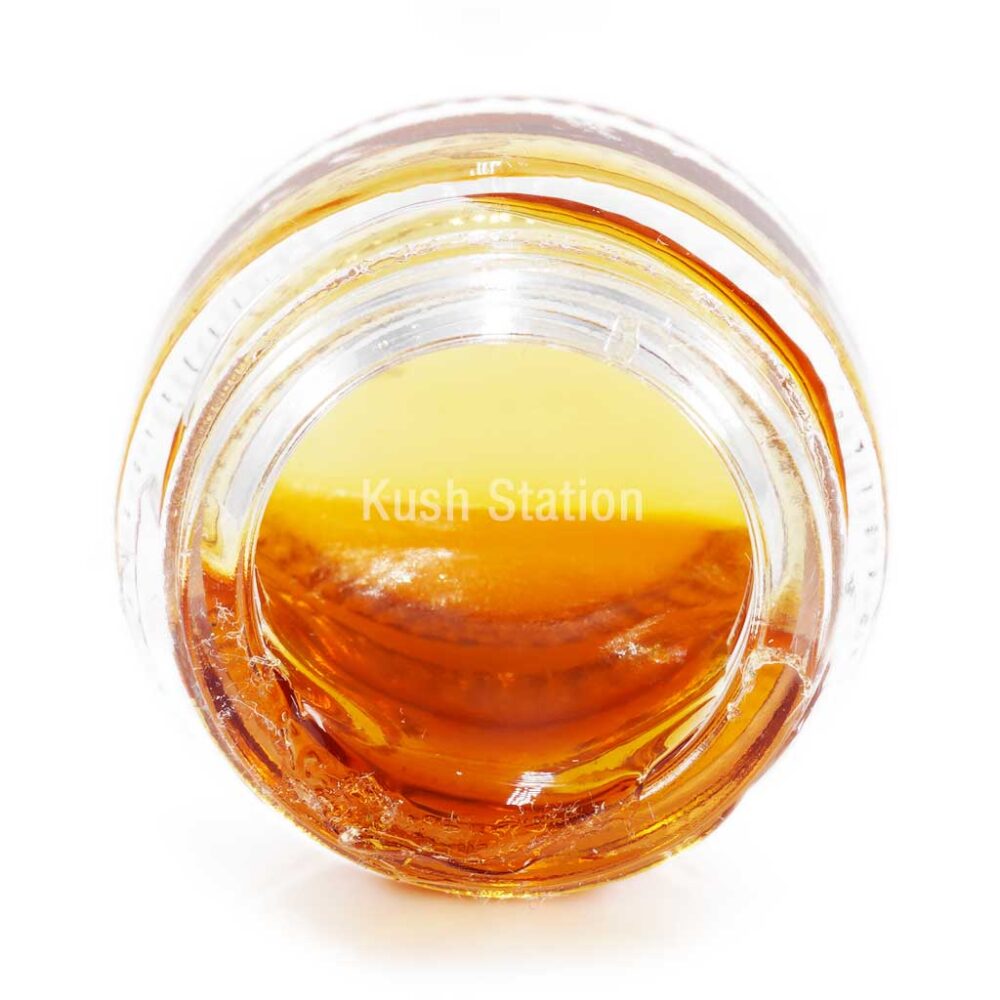
Why Affordable Honey Oil Is a Smart Choice for Most People
At the end of the day, honey oil offers a balance that few other concentrates can match. It is potent enough to satisfy experienced users but gentle enough for someone who is still learning how to dab. It carries the full character of the strain it came from, and when produced with care, it can rival more expensive extracts in both flavor and effect. The search for affordable honey oil is really a search for value, and value comes from knowing what matters to you. If you prioritize lab-tested, strain-specific products from producers who have earned recognition in the cannabis industry, you will find that you do not have to compromise quality to stay within your budget.
I have learned to trust my own experience over marketing claims. I keep a notebook where I jot down the batch numbers, the strain names, and my impressions of each jar I try. Over time, that has helped me identify which brands consistently deliver and which ones are coasting on hype. The cannabis industry is still young, and the market for concentrates is evolving fast. But one thing has remained constant in my journey: when I find a producer who cares about the details, the affordable honey oil they offer is always a better buy than a premium jar from a brand I do not trust.